投稿者「図書館」のアーカイブ

[藤棚ONLINE]共通教育センター・吉川 歩 先生 問題解決法雑感&推薦『思考法図鑑』

図書館報『藤棚ONLINE』
共通教育センター・吉川 歩 先生 問題解決法雑感&推薦
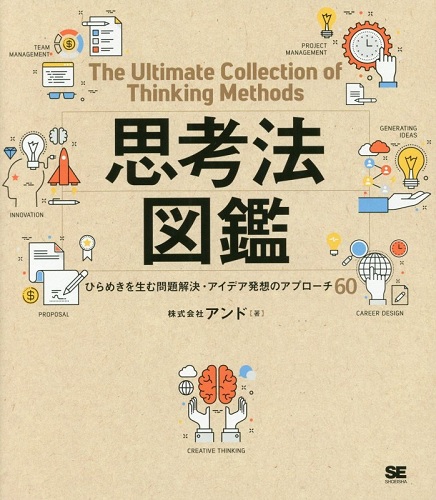
『 思考法図鑑 : ひらめきを生む問題解決・アイデア発想のアプローチ60 』

 「問題を解決するために一番重要なことは何か」と聞かれた時のあなたの答えは?

 私ならば「まず,何が問題であるかを適切に見いだす」ことと答えます.実社会では,それこそ試験でもない限り,答が一意に定まった明確な問題が与えられていることは極めて稀です.また問題としてわかっていてもどう答えを見つければよいかわからなければ解決は困難になります.つまり解ける問題にブレークダウンすることが重要になります.実はこれらの部分が一番難しいようで,担当している「共通教育演習」という講義でも,受講者がプロジェクトのテーマ設定の段階で難渋しているのをよく目にします.なお私見ですが,問題解決でよく出てくる「PDCA」は「解ける形になった問題」をどう解決していくかの話で,解ける形になっていない問題に適用しても期待した結果が得られないことも多いです.

 さて話を戻しますが,「問題をいかに解決できる形にするか」のヒントを与えてくれる書籍の一つが「思考法図鑑」です.扱われている内容は,問題解決のための,いわゆる「発想支援」と「分析方法」の紹介になっています.見開き2ページで1テーマが図と例で紹介されており,その数は60種に及びます.自分の扱っている対象をどう切り崩していくか困った時の事典代わりに利用できます.ダウンロード可能な各方法のPowerPoint形式のテンプレートも用意されています.

 反面,実際に紹介されている方法を使う際には別途詳細に調べる必要があります.またキーワードから方法の当たりをつけるという用途からいえば,索引がないのは非常に残念なところです.なおこの書籍には紹介されていませんが,OODAやこの書籍が出版されてから提案された「か・き・く・け・こ」ループなどの方法もありますので,書籍中にしっくりくるものがないときはさらに探してみることをお勧めします.

【参考リンク】

・思考法図鑑 : ひらめきを生む問題解決・アイデア発想のアプローチ60 / アンド著. — 翔泳社, 2019.10.

・𠮷川 歩, 問題解決のための「か・き・く・け・こ」ループ, 知能と情報, 2020, 32 巻, 4 号, p. 797-800  https://doi.org/10.3156/jsoft.32.4_797

50冊多読チャレンジ 達成者インタビュー

匿名希望

 2022年2月7日に『多読チャレンジ』50冊を達成されました。 

 前回25冊コースに挑戦した際、あと少しのところで達成できなかったため、今回再チャレンジされ、見事50冊を読破されました!

 多読は中学生・高校生の頃に授業でしたことがあったそうです。その際に文法・単語の力をつけて、今回チャレンジされたようです。

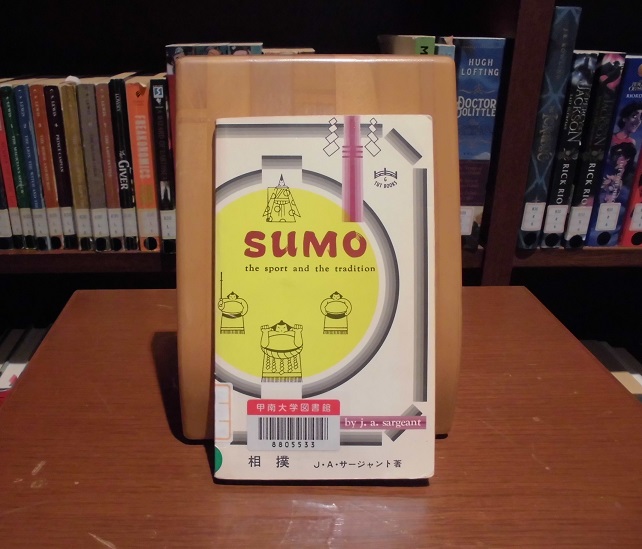
 相撲について紹介している“Sumo”J.A.Sargeant  (LV.4)がとても気に入られたそうです。裏表紙に書かれたコメントが帯に掲載されているような文章で面白いと思い、手に取ったと話されていました。

 以下は、ご本人のアンケートによるものです。


○『多読チャレンジ』達成の感想を教えてください。または、『多読チャレンジ』達成の為に工夫した事を教えてください。

―― 「どのレベルの本も最低5冊読む」というルールを追加してみる、ということを致しました。

○『多読チャレンジ』を終えて実感した効果を教えてください。

―― 最近改めて英文の聴き流しをしたところ、1単元あたり100~150単語くらいしか拾えていなかった所が200~280単語に微増するようになりました。

○チャレンジする図書はどのように選びましたか?

―― Book Reviewも参考にしつつ、同系統もしくは同出版社の本を選ぶようにしました。
  また、いつか原文で読んでみたいと思っていたものをこの機会に読むことができました。

○現在チャレンジ中の『多読チャレンジャー』へメッセージをお願いします。

―― レベル6を読み切れた時の喜びはきっととてつもないものの部類に入ると思われます。


 甲南大学図書館では、多読チャレンジャーを随時募集中です。
 英語多読学習に興味のある方は図書館1階カウンターでエントリーしてみてください!
 達成すればKONANライブラリサーティフィケイトの2級以上の要件にも適用されます!
[藤棚ONLINE]法科大学院・宮川 聡 先生 推薦『戦中派不戦日記』

図書館報『藤棚ONLINE』
法科大学院・宮川 聡 先生 推薦
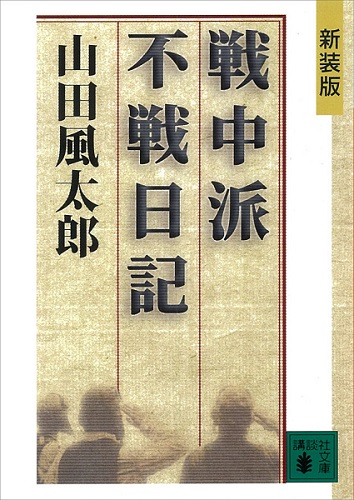
『 戦中派不戦日記-昭和20年 』

山田風太郎著
講談社文庫, 2002

 今回紹介したいのは,多くの作品(映画化もされた『魔界転生』や,NHKでドラマ化された『警視庁草子』に代表される明治時代を題材にした小説など)を残した山田風太郎の「戦中派不戦日記-昭和20年」です。最初に出版されたのは1971年ですが,文庫本になった1985年に初めて手に取った記憶があります(今では,電子ブック[KADOKAWA]で読むことができます)。

 これは,著者が書き残していた昭和20年1月1日より同年12月31日までの日記をほぼそのまま出版したものです。この日記は,東京医専(現在の東京医科大学)の学生であった著者が,将来出版されるとは夢にも思わない状態で,太平洋戦争の末期・敗戦直後の混乱期に考えていたこと,経験したことをそのまま記載したものであり,その当時の事情を知る上でも貴重な資料になっています(なお,これ以前の時期[昭和17年~19年]については,「戦中派虫けら日記 滅失への青春」というタイトルで出版されています。亡父が兵庫県養父郡で医師をしていた著者が,入試に失敗し一度はあきらめた医師になる夢を実現し,東京医専に入学するまでのさまざまな葛藤について記載されています)。

 時間の経過とともに戦況が不利になり,東京をはじめ多くの都市部が毎日のように米軍のB29による空襲を受けるようになった時期の普通の市民の生活の様子をうかがい知ることのできる記述もたくさんあります(空襲のために命からがら逃げ惑う様子も臨場感たっぷりに書かれています。いわゆる東京大空襲では,11万人以上がなくなり,300万人以上が被災したとされています。)。また,東京医専が信州地方へ疎開することになり,大学の授業を行うために必要な機材などを輸送するために梱包作業に学生が駆り出された様子や,疎開先での授業の内容などについても詳しく記載されており,現在の読者でも想像することができるのではないかと思います。さらに当時の大学生が敗戦をどのような気持ちで迎えることになったのかについても,詳細に記述されており,戦争を知らない日本人が国民の大多数を占めるようになった現在,改めて読み直してみる意味があるのではないでしょうか。

 なお,著者は,昭和21年から昭和27年までの日記も公刊(小学館文庫)しており,戦後の混乱から復興へと一歩を踏み出す時期の東京の様子についても貴重な情報を提供してくれています。

ブックカバーデザイン発表!

 図書館で募集していたブックカバーデザインに3名の応募があり、2022年度は応募者の作品すべて提供することといたしました。

 作品をご紹介いたします。メッセージは応募者によるものです。

① 日本語日本文学科 1年次生 南谷真有さん

(メッセージ)

「本を読むときに欠かせない「灯り」をテーマとしてデザインしました。暖かい灯り、ヒンヤリとした灯り…ランプはそれぞれの「灯り」を作り出し、読書に寄り添う象徴として表現しました。本の世界にあなただけの「灯り」を感じてみませんか?」

② 文学部歴史文化学科 4年次生 中越悠斗さん

(メッセージ)

「本だけでなく、図書館の利用も増やして頂けたらと考え、図書館の絵も描きました。
多くの方が、このブックカバーを見て、本を読むきっかけとなってほしいです。」

③ 文学部人間科学科 3年次生 加藤江利子さん

(メッセージ)

「甲南大学生はお洒落な方が多いイメージがあるので、「おしゃれな学生」をテーマにしました。
そして、どちらが表紙になっても良いようなデザインにし、本を開いた時にも男性と女性が背中合わせになるようにし、思わずこのブックカバーをつけて、本を開きたくなるようなデザインにしました。」

 製作者それぞれの思いがこめられて作製された、ブックカバー。
  2022年4月より、甲南大学図書館にて提供予定です。
 ブックカバーをかけて、読書時間を楽しんでみませんか。

※上記ブックカバー印刷用データは以下よりダウンロードできます。
     

多読チャレンジ 25冊達成者がでました!

25冊多読チャレンジ 達成者インタビュー
澁谷 知子(しぶたに ともこ) さん
文学部人間科学科 3年次生

 2021年12月23日に『多読チャレンジ』25冊を達成されました。
  2021年12月21日から開始し、3日間での達成です!!

 『多読チャレンジ』へのきっかけは、就活での英語の試験対策を考えていたときに、エントランスに掲示されている達成者の表彰状を見かけたことです。挑戦するなら楽しく!と、授業終わりに図書館へ通い、イメージしやすい絵本を中心に読み進めて1日10冊、最長5時間読んだ日もあったようです。

 レビュー棚に置かれていた“Little King December”(LV.4)がとても気に入り、この本をスラスラと読めるようになりたい!とおっしゃっていました。
 高校生のときから韓国語にも興味があり、本格的に勉強をしておられるそうです。

 以下は、ご本人のアンケートによるものです。

Q.『多読チャレンジ』達成の感想を教えてください。または、『多読チャレンジ』達成の為に工夫した事を教えてください。

A.少し読んでみて面白くないと思った本はすぐ読むのをやめました。ほとんど絵本だったのですが、絵があると分からない単語でも意味を推測できたため、読み続けることができました。レベル0の本は単語数も少なく、内容も分かりやすかったので読むのが楽しかったのですが、単語数が多い本になると推測も難しくなり、内容が分からないのが悔しいという気持ちのほうが大きかったです。何度も出てくる単語はさすがに気になってしまったので、調べました。しかし、ほとんど調べず読んだため、効果があるのか疑問に思いました。

Q.『多読チャレンジ』を終えて実感した効果を教えてください。

A.少しですが最初に比べ読むのが速くなったように感じました。最初はできるだけ文字数が少ない本を選んでいましたが、途中から文字数が多くても面白そうだから読んでみようと思うようになり、時間は気にしなくなりました。

Q.現在チャレンジ中の『多読チャレンジャー』へメッセージをお願いします。

A. 単語が分からなくても辞書は引かないで良いというのを最後まで忘れずに続けてみてほしいです。英語が苦手な人でもとりあえず簡単なものから読んでみることをおすすめします。

[藤棚ONLINE]国際言語文化センター・WANG Marian先生 推薦『ぼくはイエローでホワイトで、ちょっとブルー The Real British Secondary School Days』

図書館報『藤棚ONLINE』
国際言語文化センター ・WANG Marian先生 推薦
『ぼくはイエローでホワイトで、ちょっとブルー The Real British Secondary School Days』

I was raised in the United States where my ethnic background of being half Japanese and half Taiwanese was never an issue until I was enrolled in a Japanese school on Saturdays when I was about seven or eight years old. At Saturday school, I realized that being “half” Japanese was not to be discussed because all of my classmates were “pure” Japanese and were eager to return to Japan. It may come as no surprise then that my Japanese teacher suggested I change my name to something more Japanese so that I would not be a target of bullying. I did choose a Japanese first and last name, and in hindsight I feel it was the right decision as I blended in quite well. However, this experience of hiding my multicultural background left me confused and wanting to know more about Hafu (half Japanese and half another race) experiences all over the world.

I chose to read this book because I wanted to know how it was for a mother (the author) to raise a half Japanese son in the United Kingdom. The main questions I had before reading the book were: What does it mean to be a Hafu in the United Kingdom? How do you raise a Hafu child in the United Kingdom to make sure he/she has a firm understanding of Japanese culture? As I started to read the book, I realized that the topic of Hafu was not the focus of the book. In the United Kingdom, and particularly where the author was living, there were many races and being half Japanese did not raise red flags. Moreover, the author did not send her son to Japanese school in the United Kingdom, nor did she teach him Japanese, so her son did not appear to have a grasp of written and spoken Japanese. Slightly disappointed that the book would not answer my initial questions, I continued to read the book with the understanding that this nonfiction book was more closely related to the English subtitle—The Real British Secondary School Days.

The book covers educational issues in the United Kingdom and how the mother and her son confronted issues such as bullying, gender, class, and race. Each chapter contains a profound message about how the author witnesses her son’s growth in thinking about various social issues. In Chapter 5, “Putting Yourself in Somebody’s Shoes,” the topic of empathy versus sympathy was introduced. I found this interesting because living in Japan, I have observed sympathy being offered to others but not what I would define as empathy when it comes to appreciating other cultures. For example, in my 国際理解 class, when we discuss various cultures and multicultural understanding, the reactions or explanations I get from my students are sometimes analyzed within their framework of Japan being unique and them being lucky to be Japanese, whereas other foreign countries are labeled as not being as unique, lucky, or developed. There appears to be a sympathetic approach (かわいそう) towards other cultures without an empathetic approach to understanding other cultures. Thus, I was intrigued when I read Chapter 5 about how students in the United Kingdom were asked on exams about how they would define empathy, were given life exercises to practice empathy, and were asked to compare empathy with sympathy. Is this the kind of education that could also be introduced in Japan in secondary school? Yes, we all know that bullying is bad and discrimination is evil, but what does it really mean to put yourself in others’ shoes—to feel their pain and work with them to make things better? This is but one of the topics that you will encounter in this book and may inspire you to connect them with Japan’s educational system. In other words, the author’s explanations and descriptions of what her son learned in secondary school in the United Kingdom could be used as a framework for analyzing teaching practices in other countries such as Japan.

There are some parts of the book that bring Japanese culture to light. Chapter 10 describes how it was for the author to bring her Hafu son to Japan. First, when he was very young, he was labeled as cute for being half Asian and half Caucasian and was stared at by many people, which made her son feel scared, as if he were on display for others in Japan. Second, when she went to a store and did not know how things were being processed, the workers there speculated that she must be from the Philippines because her child did not speak Japanese. They also found her Japanese peculiar and foreign. Returning to Japan after spending years abroad in the United Kingdom, she felt that the way Japanese people viewed her had changed because of the presence of her Hafu son—sometimes she was seen in a positive light for having a stereotypically cute Hafu kid, while other times she was seen in a negative light because Japanese society expected her to be able to teach her Hafu son about the Japanese language and culture. In Japan, it became apparent to the author that her son would always be treated as an outsider and by association she would also be an outsider, even if she was once considered an insider. Chapter 10 illustrates how the author regrets not being able to teach her son enough Japanese so that he could at the very least understand what was being said by those around him in Japanese. The author ascertains that her son felt that in his mother’s country, he was an outsider, a YOU that they speak of on a TV program that asks, rather rudely if I may add, why these foreign YOUs have decided to come to Japan.

This book is intended for those of us who are interested in how a teenager can grow in a society with issues that we all must face—bullying, gender, class, and race. After reading this book, you will feel as if you have learned many lessons from her son, as he explores his identity in the United Kingdom. Although the book does not explain in detail about the Hafu experience in the United Kingdom, this may be understandable. In countries such as the United Kingdom, there may not be a need for half Japanese people to justify to others why they are only half Japanese.